

Uptown casino Plinko game
Introduction
Plinko looks almost too simple to deserve a serious breakdown. A ball drops from the top of the board, bounces through a field of pegs, and lands in a slot with a multiplier. That is the whole visual idea. Yet in practice, Uptown casino Plinko creates a very specific kind of gambling session: fast, clean, highly readable, and often more psychologically intense than many players expect from such a minimal format.
I have seen this happen repeatedly with Uptown Casino crash games review for players comparing real money casinos, instant-win formats, and lightweight casino releases that appear straightforward on the surface. Plinko belongs in that category, but it has its own identity. It is not a slot stripped down to basics, and it is not a table game in disguise. The appeal comes from the tension between visible movement and hidden probability. You see the ball bounce. You feel as if each deflection matters. But the real experience is shaped by payout distribution, selected risk level, row count, and how often the board funnels results toward the centre or the edges.
That is why this page deserves a focused review. If you are considering Uptown casino Plinko, the useful question is not whether the interface is easy to understand. It is. The real question is what kind of session this game produces, where the risk actually sits, and whether that style of play matches your expectations. In this article, I will break down how Plinko works, why it attracts so much attention, what its strengths and weak points are in real play, and what you should understand before dropping your first ball.
What Plinko is and why players keep coming back to it
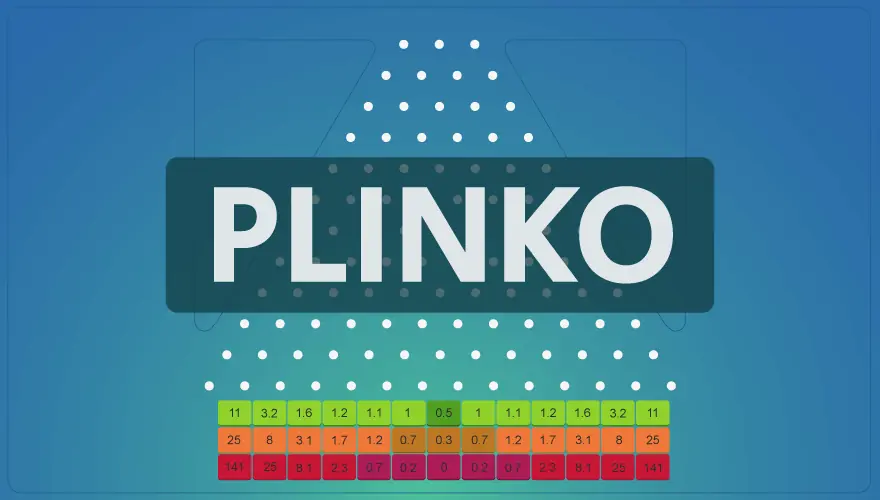
Plinko is a probability-driven casino game built around a vertical pegboard. The player chooses a stake, often adjusts the number of rows and a risk setting, then releases one or multiple balls from the top. As each ball falls, it collides with pegs and eventually lands in a payout slot at the bottom. Each slot corresponds to a multiplier. Lower multipliers usually sit near the centre, while the larger ones tend to be placed near the far edges.
The reason the format became so noticeable is not hard to explain. First, the rule set is instantly readable. There are no paylines, no symbol values to memorise, no bonus maps, and no complicated side rules. Second, every result is visualised in real time. Even when the outcome is determined by a random number generator behind the scenes, the falling path gives the player a strong sense of progression. Third, the game can be played very quickly. That makes it attractive to users who want rapid betting cycles without the audiovisual overload of modern video slots.
At Uptown casino, Plinko stands out because it offers a direct form of volatility control that many casual players understand faster than slot volatility labels. In a slot, “high volatility” can remain abstract until a long session proves what it means. In Plinko, the difference is easier to feel. A low-risk setup tends to produce clustered returns and fewer dramatic swings. A high-risk setup spreads value more aggressively, meaning many modest outcomes with occasional large multipliers at the margins.
One observation I find important: Plinko often attracts two very different player profiles at the same time. One group likes it because it feels transparent. The other likes it because it creates suspense from almost nothing. Those are not the same motivation, and they lead to very different expectations during play.
How the core Plinko mechanic actually works
At a technical level, Plinko is built around a simple sequence. You choose your bet size, select optional settings such as rows and risk, then trigger a drop. The ball starts at the top, hits a peg, shifts left or right, hits another peg, and continues until it reaches the bottom. Each directional change contributes to the final landing position. The payout depends entirely on the multiplier assigned to the slot where the ball ends.
What matters for the player is not just that the ball moves randomly, but how the board structure shapes the distribution of results. On most Plinko boards, the centre slots are statistically easier to reach because there are more possible paths leading to them. The edge slots, where the largest multipliers typically sit, are harder to hit because fewer path combinations end there. This creates the game’s basic tension: frequent low or medium returns versus rare top-end outcomes.
In Uptown casino Plinko, the experience usually revolves around three adjustable variables:
- Bet size — determines the monetary value of each drop.
- Risk level — changes how aggressively the multiplier table is distributed.
- Row count — affects the number of deflections and, with it, the shape of possible outcomes.
These settings matter more than many new players realise. Row count is not just a cosmetic choice. A board with more rows gives the ball more opportunities to deviate before reaching the bottom. That increases the number of possible final positions and can make the distribution feel more stretched. Risk level is even more important. In low-risk mode, the multiplier map is flatter and more forgiving. In high-risk mode, the board often becomes brutally uneven: many small outcomes, a few standout targets, and much sharper variance across short sessions.
| Setting | What it changes | What it means in practice |
|---|---|---|
| Bet size | Value of each drop | Directly affects bankroll pressure and emotional intensity |
| Risk level | Payout distribution across the board | Changes whether results feel steady or highly uneven |
| Rows | Number of bounce decisions before landing | Influences pace, board spread, and how often edge outcomes appear |
There is also an important mental trap here. Because the ball visibly bounces from peg to peg, some players start reading patterns into recent paths. They may feel that the next drop is “due” to move left, or that repeated centre landings make an edge hit more likely. That is not how independent random outcomes work. The animation is meaningful as a presentation layer, but it should not be mistaken for a predictive clue.
Why the session feels engaging even though the rules are simple
Plinko’s rhythm is one of its strongest assets. A slot spin can be fast, but it often includes dead time: reels slowing down, symbols settling, side animations, mini teases, and bonus anticipation. Plinko cuts through most of that. The time between decision and result is short, yet not instant. The ball’s descent provides just enough suspense to make each drop feel like an event.
That timing matters. If the result appeared immediately with no visual path, the game would lose a lot of its identity. If the ball took too long to fall, the format would become sluggish. Good Plinko design sits in the middle. It gives the eye something to follow while keeping the betting cycle tight. This is one reason why players often stay longer than they planned. The game does not demand much cognitive effort, so the session can slip into repetition very easily.
Another practical point is that Plinko creates a different kind of anticipation from slots. In slots, suspense often comes from combinations: matching symbols, near-misses, expanding reels, or bonus triggers. In Plinko, suspense comes from trajectory. The player tracks motion, not symbols. That sounds like a small difference, but it changes the emotional texture of the session. The board can feel calm and tense at the same time.
One of the more memorable things about Plinko is this: even a low-value drop can feel dramatic if the ball travels close to a high multiplier before falling away at the last moment. The monetary result may be modest, but the visual route still produces tension. This is a major reason the format works so well on streams and in short play bursts.
Risk levels, probabilities, and what they really mean for the player
Probability, payout size, and session stability get mixed up all the time when people sit down for a Plinko session, and keeping them apart changes how you read the board. The bigger the multiplier on offer, the slimmer the odds of actually landing it, while a gentler board tends to hand back wins more often without tilting the long-run edge in your favour. What that smoother path really delivers is a steadier, less volatile set of results rather than a better chance of coming out ahead when the session wraps up.
Plinko is often described as a game of chance with adjustable volatility, and that is broadly accurate. But the practical meaning is more specific:
- Low risk usually compresses outcomes toward the middle. You tend to see more modest multipliers and fewer violent bankroll swings.
- Medium risk opens the distribution enough to create visible upside while still producing a playable rhythm for longer sessions.
- High risk stretches the board heavily. Many drops may return little, and the session can depend on a small number of rare hits.
This is where some players misread the format. Because each drop is short and visually neat, the game can feel harmless. But high-risk Plinko can drain a bankroll surprisingly fast, especially when paired with auto-play or repeated rapid drops. The simplicity of the interface does not reduce the underlying danger of aggressive payout distribution.
The board is not designed to “balance out” in the short term. Probabilities also need to be understood in the right way. You can go through long stretches of centre-heavy landings, or see unusual edge hits earlier than expected. Short sessions in Plinko are noisy. That does not mean the game is broken; it means randomness is doing what randomness does. If you judge the game only by ten or twenty drops, you are reading a tiny sample.
The practical lesson is straightforward: choose a setup based on the session you want, not on the fantasy of forcing the board to behave differently. Plinko rewards realistic expectations more than hopeful pattern-chasing.
How Plinko compares with slots and other casino formats
The easiest mistake is to treat Plinko as a slot with a different skin. It is not. A slot is built around reels, symbol weighting, pay mechanics, and often layered bonus design. Plinko removes almost all of that structure. There are no paylines to interpret, no scatter sequences to wait for, and usually no long-form feature mode that changes the state of the session. Each drop stands largely on its own.
Compared with classic slots, Plinko offers:
- faster result readability;
- less visual clutter;
- more direct control over session profile through risk settings;
- fewer content layers and less variety over very long play periods.
Compared with roulette, Plinko shares the appeal of simple stakes and quick rounds, but the emotional structure is different. Roulette presents a clean binary or segmented outcome table. Plinko presents a visible path to the result. Compared with crash games, Plinko is less about timing your exit and more about accepting a fixed random journey. Compared with Uptown Casino blackjack casino guide or baccarat, it offers no strategic decision-making once the ball is released.
| Format | Main source of tension | Player control | Session feel |
|---|---|---|---|
| Plinko | Ball trajectory and landing slot | Pre-drop settings only | Fast, visual, repetitive but suspenseful |
| Slots | Symbol combinations and bonus triggers | Mostly stake selection | Feature-driven, varied, often noisier |
| Roulette | Single-number outcome | Bet placement choices | Structured, familiar, less animated |
| Crash games | Cash-out timing | High during round | Reactive, tense, timing-based |
So who tends to prefer Plinko? Usually players who value clarity, pace, and short decision loops. Who may find it lacking? Those who want layered bonus systems, evolving rounds, or a stronger sense of strategic input.
Where the game delivers well and where it can disappoint
From a design perspective, Plinko has several genuine strengths. The first is accessibility. New players can understand the board in seconds. The second is transparency of session style. Risk settings and rows visibly shape the experience, which makes the game easier to frame than many slots with vague volatility labels. The third is pacing. Uptown casino Plinko can suit short sessions very well because it gets to the point quickly.
There is also a practical advantage in how the game communicates chance. In a slot, the random process is hidden behind reels and symbols. In Plinko, randomness is staged as movement. That does not make it more controllable, but it often makes it easier for players to grasp what they are engaging with: a sequence of independent drops with uneven payout distribution.
Still, there are clear limitations. The most obvious is repetition. Different settings can change the feel, but they do not transform the core loop. Once you understand the board, you have largely seen the full concept. If you need narrative progression, bonus variety, or changing round states, Plinko can start to feel one-note.
Another weak point is that visual simplicity can hide bankroll pressure. Because drops are quick and the interface is clean, some players underestimate how many rounds they are pushing through in a short window. This matters especially in auto mode. A game can look calm while spending aggressively in the background.
There is also a more subtle issue: Plinko can create a false sense of near-control. Watching the ball flirt with a large multiplier can make the result feel almost earned or narrowly missed in a way that encourages chasing. But from a probability standpoint, a near-edge bounce and a centre landing are still just outcomes of an independent random event.
Who Plinko suits best and who may be better off elsewhere
In my view, Uptown casino Plinko is best suited to players who want a direct, fast-moving chance game without the layered structure of slots. It works well for people who enjoy watching outcomes unfold visually but do not want to learn complex rules. It can also suit players who like adjusting session tone through risk settings rather than switching between entirely different game categories.
It is less suitable for a few specific audiences. If you want meaningful strategy during each round, Plinko will probably feel too passive. If you prefer long-form bonus hunts, it may feel too stripped back. And if you are prone to increasing stakes after a string of small returns, high-risk Plinko can be a poor fit because the speed of the cycle may amplify that habit.
I would summarise the fit like this:
- Good match: players who value simplicity, pace, visual suspense, and adjustable session style.
- Mixed match: players who enjoy slots but want a cleaner side option for shorter sessions.
- Poor match: players looking for strategy depth, evolving bonus content, or a slower decision rhythm.
This distinction matters because Plinko is often recommended too broadly. It is not automatically the right choice just because it is easy to understand. Ease of entry and quality of fit are different things.
What to check before launching Uptown casino Plinko
Before starting a real-money session, I would pay attention to a few practical details. They are simple, but they shape the entire experience.
First, check the available risk levels and row settings. These are not minor preferences. They define the session profile. If you want a steadier flow, do not casually begin on the most aggressive setup just because the top multiplier looks appealing.
Second, treat auto-play carefully. Plinko is one of those formats where speed can outpace awareness. Because each drop is short and visually similar, it is easy to lose track of round count and total spend. Manual play is slower, but it keeps the relationship between choice and result more visible.
Third, use demo mode if it is available. Not because demo results predict paid results—they do not—but because it helps you understand how different settings feel in motion. This is especially useful if you have never played a pegboard game before and want to see how low, medium, and high risk differ in actual rhythm.
Fourth, set expectations around top multipliers. They are there to define the shape of the board, not to serve as routine outcomes. If you build your whole session around hitting the extreme edge, you are likely to misread what the game is designed to deliver most of the time.
A final observation that many overlook: Plinko can be more emotionally tiring than it first appears. Not because the rules are hard, but because the short cycle creates constant micro-suspense. Over a longer session, that can lead to quicker fatigue or impulsive adjustments in stake size.
Final verdict on Uptown casino Plinko
Uptown casino Plinko offers a very specific gambling experience: a fast, visually clear, probability-driven format built around repeated drops, adjustable risk, and immediate feedback. Its key strength is not complexity but precision. The game knows exactly what it is trying to do. It delivers short suspense loops, easy entry, and a visible connection between board design and payout distribution.
That said, the simplicity can be deceptive. Plinko may look lighter than a slot, but the real session can become sharp very quickly, especially on high-risk settings or in rapid auto-play. The board is easy to read; the bankroll impact is not always as gentle as the interface suggests. That is the main area where caution matters.
For the right player, this is an excellent format. If you like clean design, quick outcomes, and the tension of watching a result unfold in real time, Plinko can be genuinely engaging. If you want strategic depth, narrative progression, or varied bonus structure, it may feel too narrow after the novelty fades.
My overall view is clear: Uptown casino Plinko is worth trying if you understand what it actually offers. It is not a replacement for slots, table Uptown Casino games for Australian players, or crash formats. It is its own lane—a compact, high-clarity chance game where the visible path creates drama, but the real story is in distribution, pacing, and discipline. Go in with realistic expectations, choose your settings carefully, and the experience makes far more sense from the first drop onward.
FAQ
How does Plinko work when the ball drops?
Plinko releases a ball that bounces down through the grid and settles into a final multiplier zone. The multiplier result is applied to the stake for that round. Game speed and volatility can change how the session feels.
What affects the risk level and multiplier outcomes in Plinko?
Volatility settings determine how clustered or spread-out results may feel over time. Different Plinko layouts and prize ranges can also influence the typical outcome pattern. Reading the on-screen indicators before playing helps match the risk to the session goal.
Where can the demo mode be used instead of real-money play?
Use the demo mode toggle in the Plinko game area to practice ball drops without using real funds. When switching back to real-money play, the stake and betting controls may change immediately.
How to start a Plinko round on the official casino site fast?
Select Plinko in the games lobby, open the game, and set the stake and round controls. Confirm the bet amount shown in the game panel, then launch the round. After that, the ball drop runs automatically until the result is counted.
What should be checked before using a promo code or welcome offer on Plinko?
The bonus terms must be active for the account and matched to eligible game types. Some offers may apply only to specific Plinko modes or require a deposit and wagering condition. Always review the wagering requirements and limits shown with the offer.
How does login affect Plinko real-money play?
Casino login is required to start real-money play and track bets to the account. Signing in also ensures balance updates and any active promo code status are linked correctly. Demo mode can remain available without login depending on the game panel.
Is the Plinko game playable in the mobile casino app?
The mobile experience supports Plinko through the mobile version and app where available. For smooth play, keep an eye on loading indicators and network stability before starting a round. If the app is not opening, the mobile site can be used as an alternative access method.
What should be done if casino login fails when opening Plinko?
Check the email and password spelling and try the sign-in again. If the account was accessed on a different device, confirm the correct credentials before retrying. When login still fails, use the password recovery flow and then return to Plinko.
How does a current mirror help if the Plinko page or lobby is blocked?
A working mirror can provide the same official casino access when a specific route is unavailable. After switching, open Plinko again from the games lobby so the game loads with the correct session. Mirror access is especially useful during temporary connectivity issues.